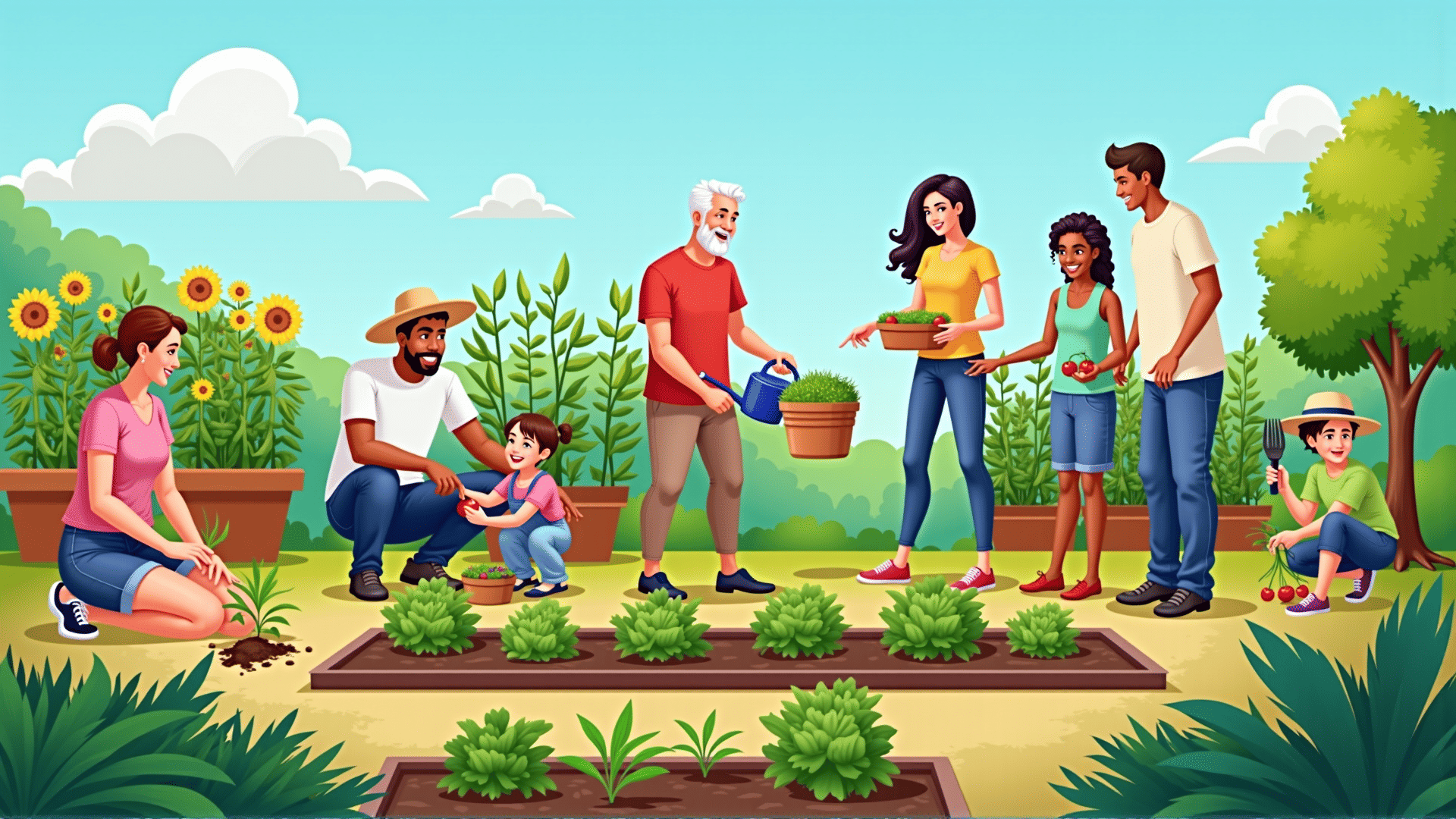
Community gardening initiatives offer more than just the opportunity to grow your own produce; they serve as fertile grounds for building meaningful partnerships and fostering a sense of camaraderie. As society becomes increasingly urbanized, these green spaces act as vital refuges that connect individuals with nature and with each other, nurturing both environmental stewardship and social bonds.
Participating in a community garden involves working alongside neighbors, local organizations, and sometimes even schools or businesses, creating a network of diverse individuals united by a common goal. This collaboration teaches the value of teamwork and shared responsibility, as each member contributes to the garden’s success. By engaging in regular activities such as planting, watering, and harvesting, participants not only develop practical skills but also engage in the exchange of ideas and experiences, enriching their understanding of sustainable practices and cultural traditions.
Being part of a community gardening project can transform a patch of land into a vibrant and productive space. Through the collective effort of planting and tending to a variety of fruits, vegetables, and herbs, participants also cultivate mutual trust and support. These relationships often extend beyond garden gates, fostering friendships and networks that can enhance both personal and professional lives.
The impact of community gardens extends to the wider community as well. They can become focal points for educational programs, workshops, and events that further community learning and engagement. By inviting local schools to participate, children can gain hands-on experience with food production and environmental conservation, instilling values of responsibility and teamwork from a young age.
Moreover, these gardens often serve as catalysts for neighborhood revitalization, promoting a sense of pride and cohesion among residents. As green spaces thrive, so does the entire community, attracting more participants and leading to improved local well-being.
In addition to human connections, community gardening plays a crucial role in environmental benefits. These green spaces contribute to biodiversity, improve air quality, and provide habitats for various species. The sustainable practices employed in community gardens, such as composting and organic farming, align with broader environmental goals, making participants feel that they are part of a movement that positively impacts the planet.
In conclusion, community gardening initiatives offer a harmonious blend of nature and neighborly connection, fostering partnerships that nurture both the earth and the human spirit. By joining these projects, individuals can contribute to a greener environment while reaping the rewards of collaboration and community strength. These shared endeavors not only bolster local ecosystems but also create lasting, supportive relationships that enrich the entire community.